Japan train etiquette: Tips for understanding Japanese manners

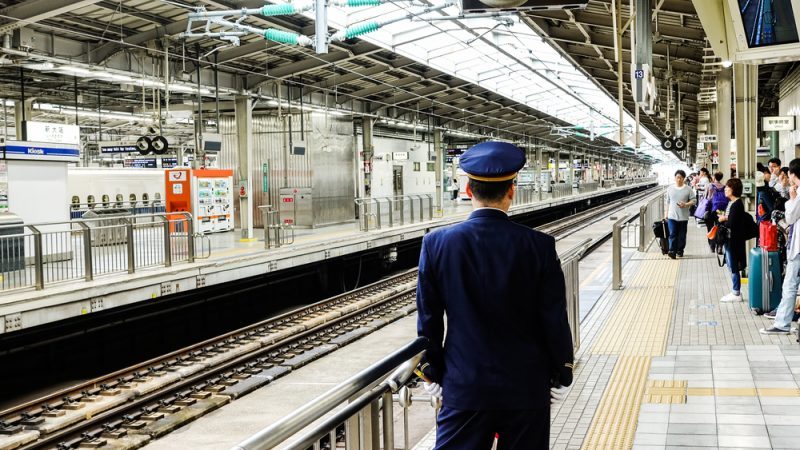
Train etiquette in Japan is something that Japanese people usually take very seriously. Trains in Japan are extremely punctual and are one of the most efficient and convenient means of transport, so it is one of the most used, especially in large cities. Most of the time we board a train, we will be sharing it with other passengers.

Millions of people use Japan’s train system each day. While navigating the train network can seem daunting, these etiquette tips will help make your trip a pleasant one.
Continue reading “%s”

The West Express Ginga: The Futuristic “Galaxy” Train

JR West has announced the launch of a new train which will link the Keihanshin area with a number of stations in the Sanin and Sanyo regions in western Japan. The Ginga train will launch in spring 2020.

The concept of the long-distance train is based around interstellar travel. Ginga means ‘Milky Way’ in Japanese, and the trains route along the western regions will represent the stars spread throughout the galaxy.

Continue reading “%s”

Yoyogi Park: Access and things to do

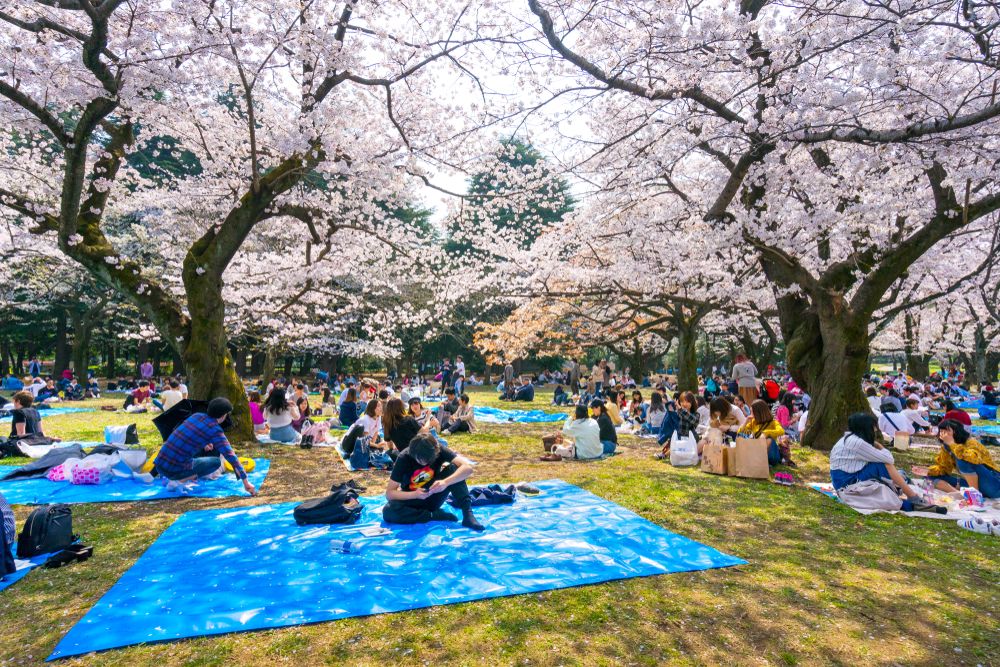
Yoyogi Park, called Yoyogi-Koen in Japanese, has been described as “one of the liveliest parks in the city.” It is also one of the largest green spaces in Tokyo. It is located conveniently between two other bucket list areas, Shibuya and Harajuku.

Festivals and other events are held there almost every weekend. Whether you’re traveling solo, in a group, as a couple, or with children, Yoyogi Park offers something for everyone.

Continue reading “%s”

Shirakawago and Gokayama villages: Travel Guide

Picture a quaint village embanked in snow. Icy whiteness covers the ground and clings to the roofs of the traditional Japanese farmhouses like icing on a gingerbread house. Streets and windows become golden torches as the sun begins to set.

The Historic Villages of Shirakawago and its neighboring village, Gokayama are one of central Japan’s UNESCO World Heritage Sites.  They hold a serene natural beauty as well as a unique architecture.

Continue reading “%s”