Ueno Station Travel Guide

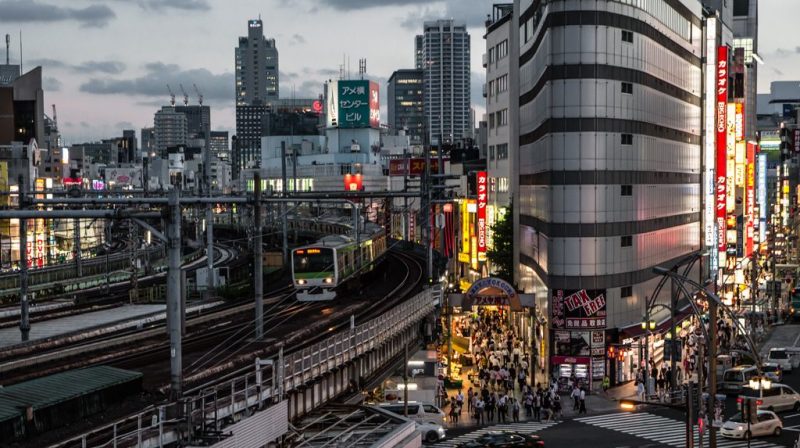
Located in the Taito ward of Tokyo, Ueno Station has long been a traditional transportation hub. It was constructed in 1883 and inspired a pre-1912 poem by the young Ishikawa Takuboku. A memorial plate concerning the poem can be viewed inside the station. Today, Ueno Station is utilized both by local commuters and the long distance trains coming to Tokyo from northern regions of Japan.

Smaller than many of the other stations in Tokyo, Ueno Station is well suited to the international traveler. Consider the following information to help make your trip fun and worry-free!

Continue reading “%s”

Shinjuku’s Golden Gai: Best bars and how to get there

The Golden Gai comprises six alleys in Shinjuku’s Kabukicho red-light district that are lined with over 200 tightly packed independent bars and is an ideal location to experience authentic Tokyo nightlife.

Just a short walk from Shinjuku Station, Golden Gai offers the chance to meet and share a drink with friendly locals, as well as to experience some of Tokyo’s forgotten architectural heritage.

Continue reading “%s”

Nippori Station travel guide

Nippori Station, called Nippori-eki in Japanese, is located in Arakawa, a Tokyo’s special ward. The station, like Tokyo itself, enjoys a long and abundant history. “Nippori” means “place where the sun sets”, and this quiet area hearkens back to the charms of yesteryear.

Nippori Station was inaugurated in 1905. Today, it serves over one hundred thousand passengers each day. Will your travels take you through Nippori Station? Employ this handy travel guide to learn about the station’s train lines and nearby attractions.

Continue reading “%s”

Exploring Nijo Castle: Kyoto travel guide

Another fantastic location at which to view the sakura blossom, this elegant wooden castle is one of the best-preserved from Japan’s Edo Period.

Surrounded by stone fortifications and moats, the central structure, Ninomaru Palace, was also historically well-protected from intruders by secret features such as booby-trapped floors. Can be reached in under 20 minutes from central Kyoto.

Continue reading “%s”

Tsukimi: Japan’s Harvest Moon festival

Tsukimi, also called Otsukimi or Jugoya, literally means “moon viewing” or “looking at the moon”. Like the hanami of spring and koyo of autumn, this Japanese festival honors a wonder of nature – the autumn moon.

What are the origins of this festival, and how is it celebrated today? This travel guide will provide all the details you should know if traveling to Japan during the Harvest Moon Festival.

Continue reading “%s”