
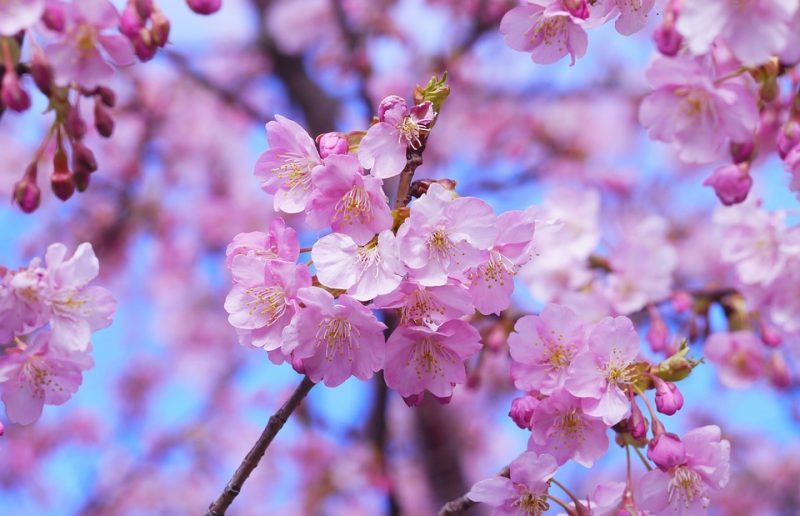
If you’re planning your trip around the Japanese cherry blossom season, or sakura, timing is everything. The season moves like a “blossom wave” from south to north, starting earlier in warmer areas and arriving later in Tohoku and Hokkaido.
Here you’ll find the latest forecast-style dates for cherry blossom season in Japan in 2026, plus cultural context and practical planning tips for a smooth itinerary.
Table of Contents
- 1 Japan cherry blossom forecast 2026: key dates by region
- 2 What is hanami? Cultural meaning and traditions
- 3 Top places to see cherry blossoms in Japan
- 4 Cherry blossom varieties beyond the somei yoshino
- 5 Seasonal foods & goods: the taste of sakura
- 6 Practical tips for planning your spring trip to Japan
- 7 FAQs about cherry blossom season in Japan
Japan cherry blossom forecast 2026: key dates by region
Forecasts typically share 2 key milestones:
- Kaika (開花): “opening” / first bloom (usually when a few flowers open on the official observation tree).
- Mankai (満開): full bloom (when most flowers are open—often the best “wow” moment).
In most places, the peak window is short: often about a week from first bloom to full bloom, with conditions (rain/wind/temperature swings) affecting how long blossoms look their best.
So, when does cherry blossom season start in Japan? For many travelers, the season begins in late March (Kyushu/Kansai/Kanto), then shifts into April (Hokuriku/Tohoku), and continues into late April and May (Hokkaido).
Estimated Kaika & Mankai dates in major cities:
The dates below are based on the latest widely published forecast tables. Dates can still shift as temperatures change.
| City | Est. Opening | Est. Full Bloom |
|---|---|---|
| Kagoshima | March 24 | April 5 |
| Fukuoka | March 21 | March 30 |
| Kochi | March 20 | March 28 |
| Hiroshima | March 22 | March 31 |
| Tokyo | March 20 | March 28 |
| Nagoya | March 20 | March 30 |
| Wakayama | March 27 | April 3 |
| Kyoto | March 24 | April 1 |
| Osaka | March 24 | April 1 |
| Kanazawa | April 2 | April 8 |
| Sendai | April 5 | April 10 |
| Nagano | April 6 | April 11 |
| Aomori | April 18 | April 22 |
| Sapporo | April 26 | April 29 |
Source: Japan Meteorological Corporation
Factors affecting the bloom: temperature and weather patterns
Cherry blossom timing depends heavily on seasonal temperature patterns and short-term weather. Warmer late-winter / early-spring periods can push blooms earlier, while late cold snaps can slow development.
Forecast providers also update repeatedly as conditions become clearer. Expect multiple revisions through February and March.
What is hanami? Cultural meaning and traditions
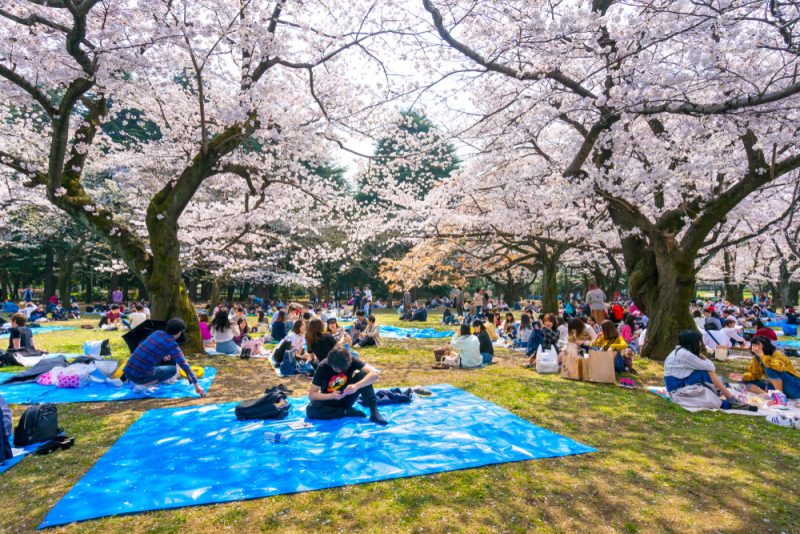
Hanami literally means “flower viewing,” but culturally it’s closer to a seasonal ritual: welcoming spring, gathering with friends or colleagues, and enjoying the fleeting beauty of sakura. Many parks also host spring events, including food stalls, light-ups, performances, and local cherry blossom festivals.
The origins of hanami and the philosophy of “mono no aware” (transience of life)
Cherry blossoms are famous not only because they’re beautiful, but because they’re brief. That “here-and-gone” quality ties into the idea of mono no aware: an awareness that impermanence is part of what makes a moment precious.
How to celebrate with picnics under the trees and “yozakura” (night viewing)
To enjoy a picnic during hanami, bring snacks, drinks, and something to sit on (you’ll see locals with picnic mats).
Yozakura, or “night sakura,” refers to the Japanese tradition of viewing illuminated cherry blossoms at night. Many spots illuminate trees after dark, which is great for photography and a different mood than daytime crowds.
Top places to see cherry blossoms in Japan
Japan has thousands of great festivals and viewing areas waiting to be enjoyed during cherry blossom season.
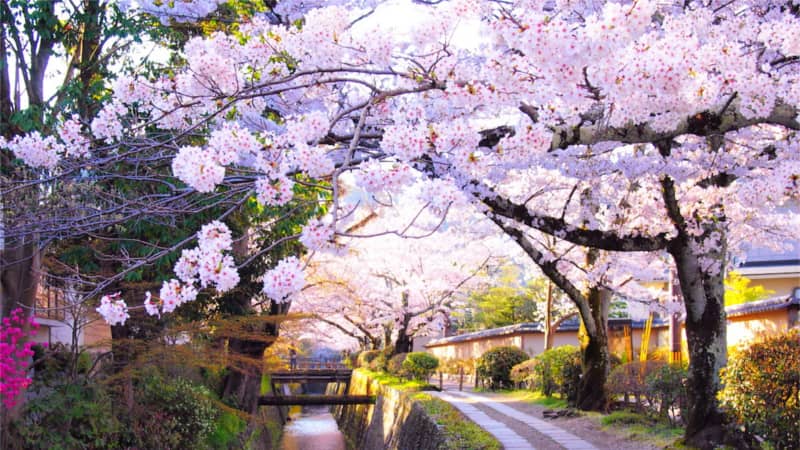
Tokyo is full of top places to see the sakura blossom, including:
- Shinjuku Gyoen
- Ueno Park
- Meguro River
- Chidorigafuchi
Kyoto also does not disappoint when it comes to top cherry blossom spots:
- Philosopher’s Path
- Maruyama Park
- Arashiyama
@jrailpass Planning a spring trip to Japan in 2026? 🌸🇯🇵 These are the best cherry blossom spots in Japan, from iconic parks to local hanami favorites you won’t want to miss. Save this for sakura season and discover where cherry blossoms truly shine. Which spot would you visit first? #CherryBlossomJapan #SakuraSeason #HanamiJapan #VisitJapan #JapanTravel ♬ sonido original – JRailPass Enjoy Japan By Train
Other top viewing locations include:
- Chureito Pagoda in Mt. Fuji & the Five Lakes Region
- Himeji Castle and Hirosaki Castle
- Mt. Yoshino
Dive into the different cherry blossom varieties that you can enjoy in the section below.
The JR Pass gives you unlimited access to transportation all around Japan for 7, 14, or 21 days, including Shinkansen.
A single ticket, huge savings.
Cherry blossom varieties beyond the somei yoshino
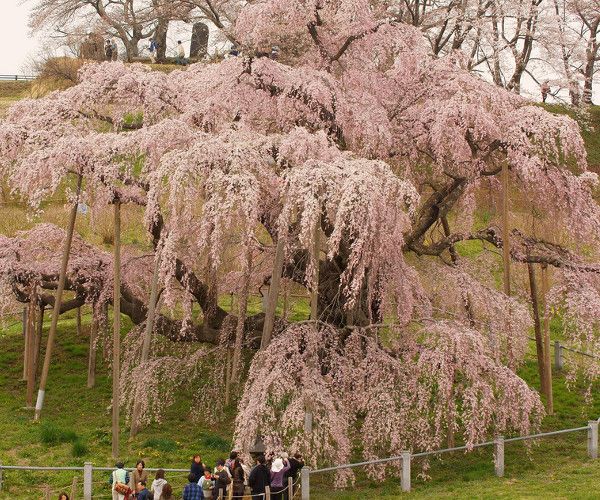
Most forecasts focus on Somei Yoshino, but Japan has many varieties that bloom at slightly different times. This is helpful if you’re trying to dodge peak crowds. Here are some standout varieties:
- Shidarezakura (weeping cherry): elegant, cascading branches
- Yaezakura (double-flowered cherry): fluffier blooms, often later than Somei Yoshino
- Early bloomers (like Kawazu-zakura): can start much earlier in warmer areas
If your travel dates don’t line up with Somei Yoshino (or you’d rather avoid the busiest weekends), keep an eye on these varieties instead.
Seasonal foods & goods: the taste of sakura
Spring in Japan isn’t just a view, it’s a limited-edition season you can taste, sip, and bring home. As soon as cherry blossoms start to bloom, cafés, convenience stores, and train-station kiosks roll out sakura-themed releases that only appear for a few weeks.
Look out for:
- Sakura-flavored sweets (mochi, pastries, chocolates): often lightly floral, sometimes paired with strawberry or red bean for a more familiar sweetness.
- Seasonal drinks (lattes, teas, soft drinks): from sakura milk-style drinks to spring blends you’ll spot in coffee chains and vending machines.
- Spring-only snacks in convenience stores and station kiosks: limited packaging, regional specials, and “only this month” versions of classic treats.
Even if you don’t love floral flavors, the packaging alone is part of the fun!
Practical tips for planning your spring trip to Japan
Cherry blossom season is one of the best times to visit Japan, but it’s also one of the most competitive. Hotels fill up fast, popular parks get crowded, and bloom dates can move by a few days depending on the weather.
Here are some top tips:
- Plan for flexibility: Even the best forecast can shift. If you can, keep day trips adjustable so you can “chase” peak bloom locally.
- Book early: Late March to early April is one of the busiest travel periods in Japan.
- Get your JR Pass: If you’re doing multiple long-distance trips, sorting your rail pass in advance can make it easier to move between sakura regions without overthinking every ticket.
- Use trains strategically: Spring itineraries are perfect for combining cities (Tokyo → Kyoto/Osaka → Hiroshima, or Tokyo → Kanazawa → Tohoku).
- Reserve seats when you can: Trains can be crowded around weekends and major hanami hotspots. Seat reservations reduce stress, especially with luggage.
- Go early (or go late): Sunrise-to-morning is calmer in popular parks; evenings can be crowded too (especially for yozakura), but the atmosphere is worth it.
A little planning goes a long way, especially if you’re traveling between regions and want to catch kaika and mankai at just the right moment.
FAQs about cherry blossom season in Japan
Here are some commonly asked questions:
How long do cherry blossoms last?
It varies by weather, but in many places the best viewing window is roughly a week around full bloom, with petals often starting to fall soon after, especially if it rains or gets windy.
What is the best month to visit Japan for cherry blossoms?
For most first-time visitors aiming for Tokyo/Kyoto/Osaka, late March to early April is the classic answer. If you want later dates (and often fewer crowds), consider Tohoku in April or Hokkaido in late April to May.
Where can I avoid the crowds during sakura season?
A few reliable approaches:
- Pick less-central parks (still beautiful, far less packed than the #1 famous spot).
- Travel slightly behind the peak: go north as the blossom front moves (Sendai/Aomori/Hakodate/Sapporo).
- Prioritize weekday mornings, and avoid festival weekends when possible.