
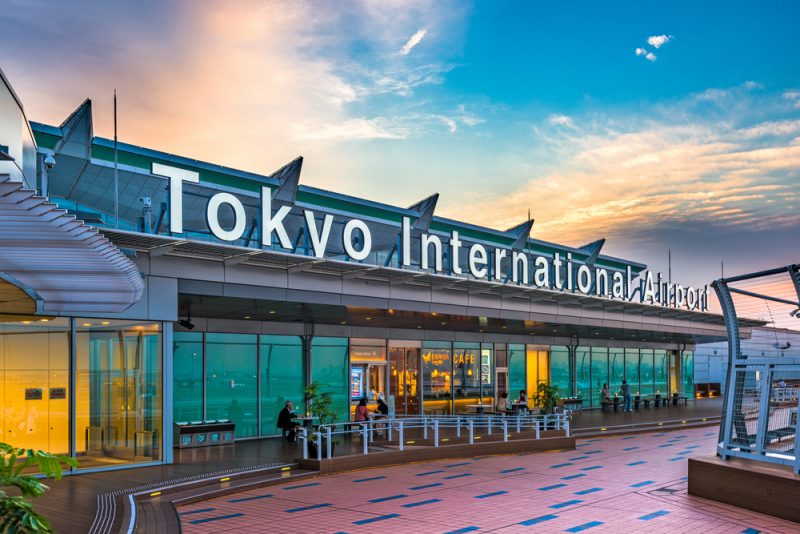
JR East has announced that it will open a new train line that will directly connect Haneda Airport to Tokyo Station in the city center, cutting the total travel time down by half to just 18 minutes and making it easier for holders of a JR Pass to access the Japanese capital upon arrival.
Hakodate to Sapporo: Hokkaido travel guide

Traveling from Hakodate to Sapporo in Hokkaido is fast and easy using Limited Express services, which are fully included with a Japan Rail Pass.
This complete guide can help you to plan your journey between the two popular destinations on Japan’s northernmost island.
Japan Virtual Travel: Enjoy Japan while stuck at home
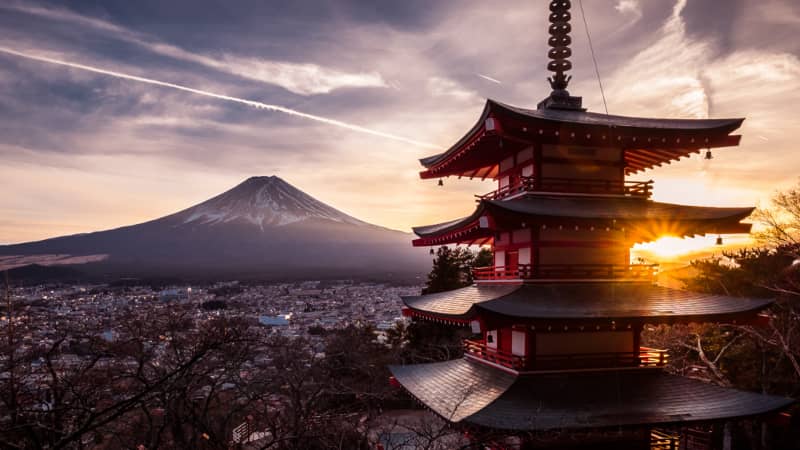
If you’ve had to postpone your next trip to Japan due to the coronavirus pandemic and are stuck at home during your vacations, rest assured that you can still enjoy virtual travel to Japan without stepping outside.
Using a range of virtual resources, you can now get plenty of travel ideas and experience some of Japan’s most exciting attractions online, which can help you plan your trip and decide what you want to see in person.
Harajuku Station Guide: Map, lines and attractions
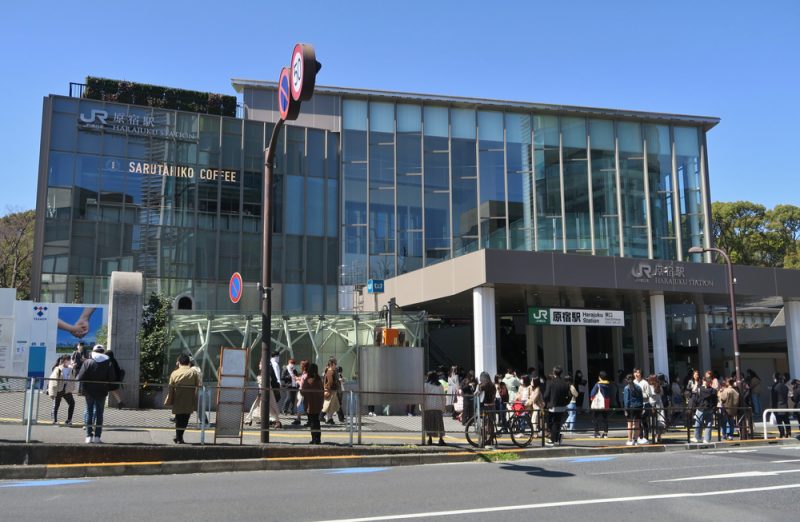
Harajuku Station is located in the Shibuya area of Tokyo, Japan. It derives its name from Harajuku, a fashion and shopping district that lies to the east of the station. Harajuku district has been called “the center of Japan’s most extreme teenage cultures and fashion styles.” It draws youths not only from across Japan but from around the world.
Harajuku Station first opened in 1906 and the original structure offers a unique alpine facade. However, it has recently undergone renovations to include a state-of-the art new building. Today, it is the sixth-busiest station operated by JR East.
The Tohoku Shinkansen line: Travel guide
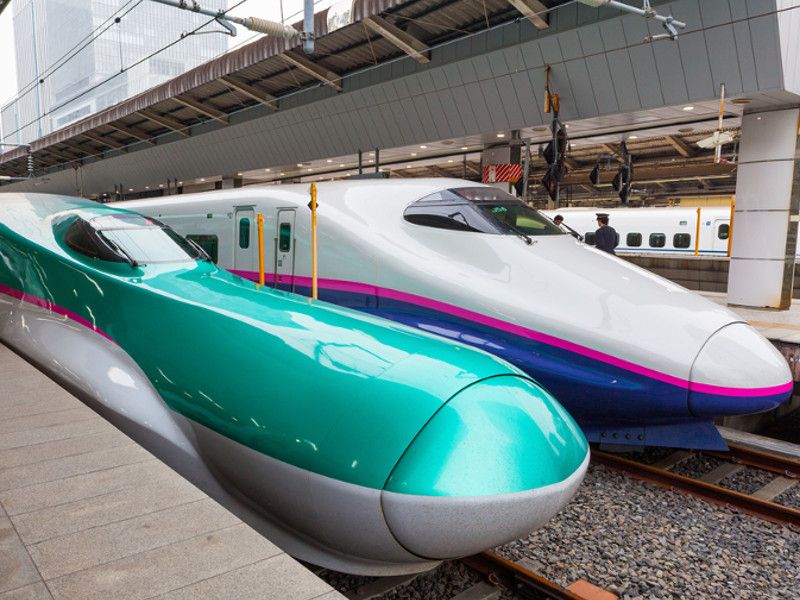
Japan is famous for its high-speed bullet trains. The fastest of these is the Hayabusa Shinkansen, which can be found on the Tohoku Shinkansen line in Honshu. An interesting feature of several Tohoku Shinkansen trains is that they offer only reserved seating.
This is rare among the shinkansen, so if you wish to travel on this line, be sure to make your reservations early! Green cars and Gran Class cars are available on most trains, as are standing tickets when all seats are booked. Continue reading “%s”
The Shonan-Shinjuku line: From Tokyo to Yokohama and Kamakura

The Shonan-Shinjuku line, inaugurated in December 2001, is a Japanese passenger train service operated by JR East that connects multiple destinations in the Kanto region of Honshu, Japan’s largest island, with the capital city of Tokyo.
Services on the Shonan-Shinjuku line run along sections shared by the Ryōmō Line, Takasaki Line, Utsunomiya Line, Yamanote Line, Yokosuka Line, and the Tōkaidō Main Line, and most can be freely used with the JR Pass. Although the line has no dedicated track of its own, it is treated as a separate service on railway maps and station information boards.