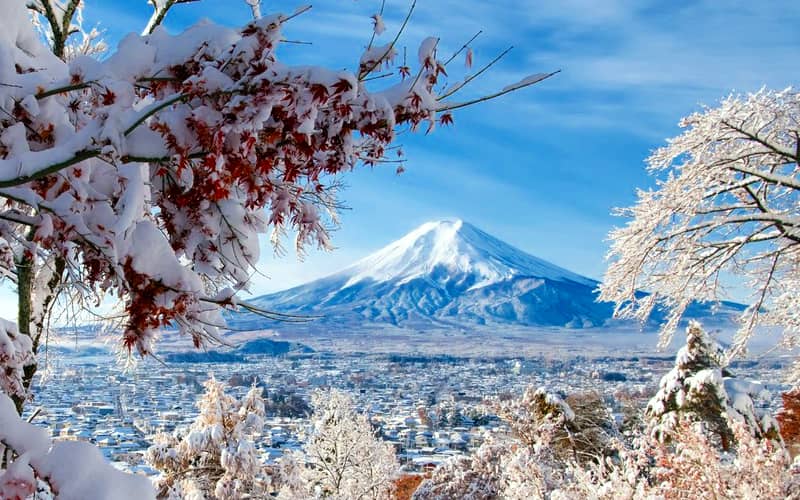
When many travelers think of Japan, they envision swaying cherry blossoms or stunning autumn foliage. However, Japan also boasts a substantial snow season, with skiing, snowboarding, and other winter activities available at hundreds of resorts.
If you’re planning to experience snow in Japan during the 2026-2027 winter season, here’s when snow usually falls and where you can make the most of it.
When does it snow in Japan?
Japan’s snow season typically begins in mid- to-late December, just before Christmas, and continues through late March or early April.
Exact dates vary by region, altitude, and snow conditions, but snowfall and ski conditions generally peak from mid-January to late February.
Some winter resorts open as early as late October often using snow-making machines to supplement natural snowfall. Snow Town Yeti in Shizuoka, at the foothills of Mt. Fuji, is traditionally among Japan’s earliest-opening ski resorts.
If you hope to beat the crowds, December can be a good time to visit. However, natural snowfall can still be unpredictable early in the season, particularly in areas without snow-making facilities.
Northern areas such as Hokkaido and Tohoku, are more likely to experience early snowfall. On-piste ski slopes are also more likely to have adequate snow cover than off-piste slopes.
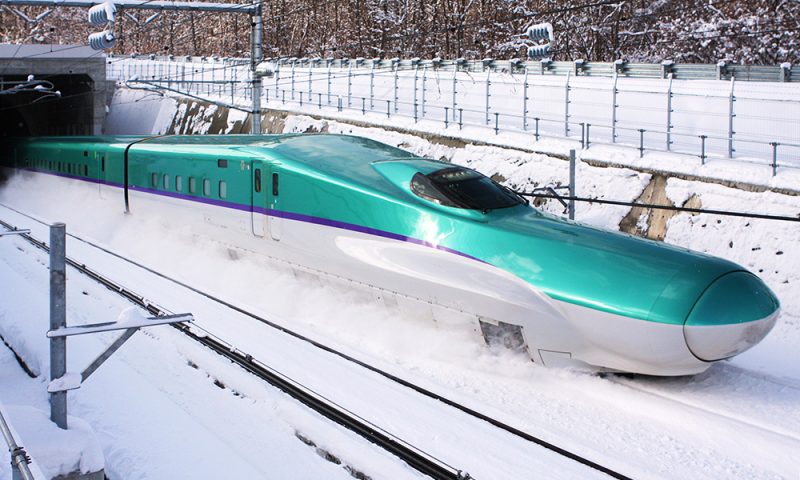
You can avoid crowded lifts by visiting during the week, avoiding weekends and holidays.
In northern Japan and at high altitudes, some winter resorts continue operating through the spring skiing season, sometimes until late May. Mt. Gassan in Yamagata Prefecture has an unusual season because heavy winter snowfall makes it inaccessible during the coldest months. Its ski season typically begins in April and can continue into summer.
April can be a good time for beginner skiers to visit, as crowds have usually decreased. You may also find good deals on accommodations and lift tickets at this time of year.
Snow in Japan
Japan is known for the consistency and sheer volume of snowfall it receives. The powder conditions are often ideal for winter sports, as is the varied terrain offered by hundreds of resorts. In fact, Japan is considered one of the best locations in the world for skiing and snowboarding.
What creates these ideal conditions? Japan is situated so that it receives cold air masses from Siberia, which pick up moisture as they cross the Sea of Japan. As this moist air rises over Japan’s mountains, heavy snowfall occurs, with some areas receiving an average of 10 to 20 feet.
Because winter temperatures remain low, the powder often stays light and fluffy throughout the day. Even as the season winds down, skiers can usually find slopes with sufficient snow coverage.
Where to enjoy the snow in Japan
Some of the best places to enjoy snow in Japan combine winter scenery with hot springs, historic streets, and traditional architecture.
Ginzan Onsen, Yamagata
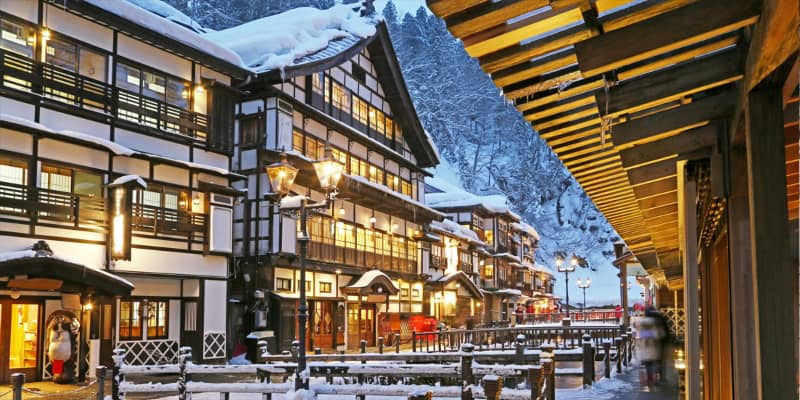
A hot spring town along the Ginzan River that takes on a magical atmosphere in winter with its traditional wooden inns and gas lamp-lit streets.
Nikko, Tochigi Prefecture
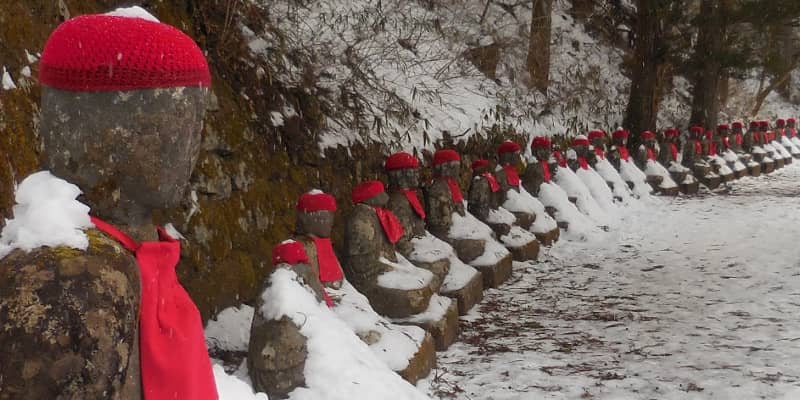
Home to UNESCO World Heritage sites, including the Nikko Toshogu Shrine, as well as a number of onsen hot springs surrounded by winter scenery.
Nyuto Onsen, Akita
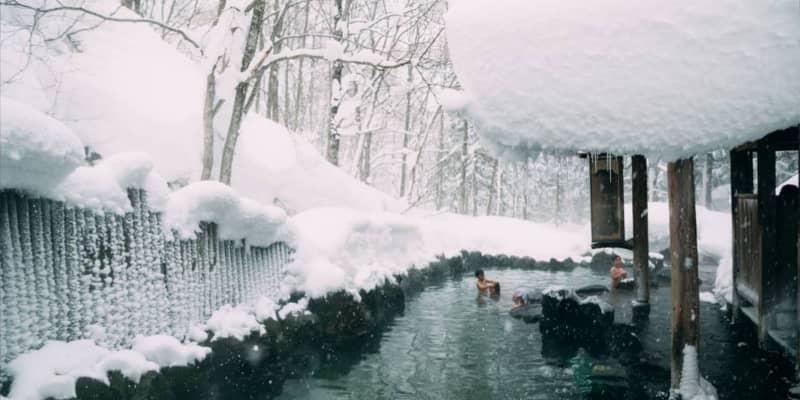
Located in Towada-Hachimantai National Park, this hot spring area is known for traditional inns and snowy forest landscapes.
Otaru, Hokkaido
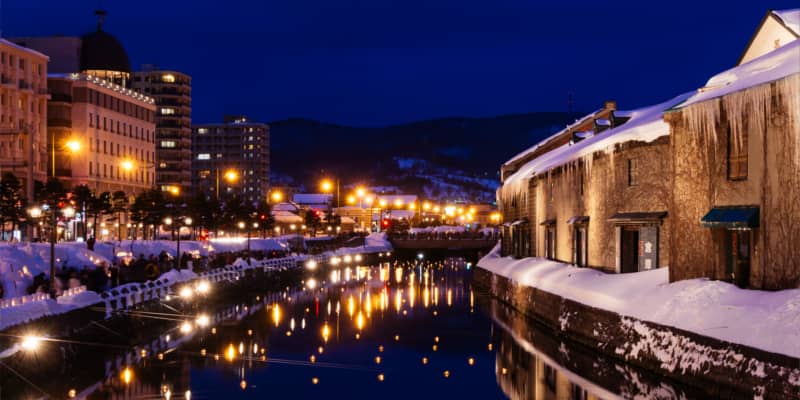
Its canal, brick buildings, and historic streetlights create a distinctive winter atmosphere when the city is covered in snow.
Ouchi Juku, Fukushima
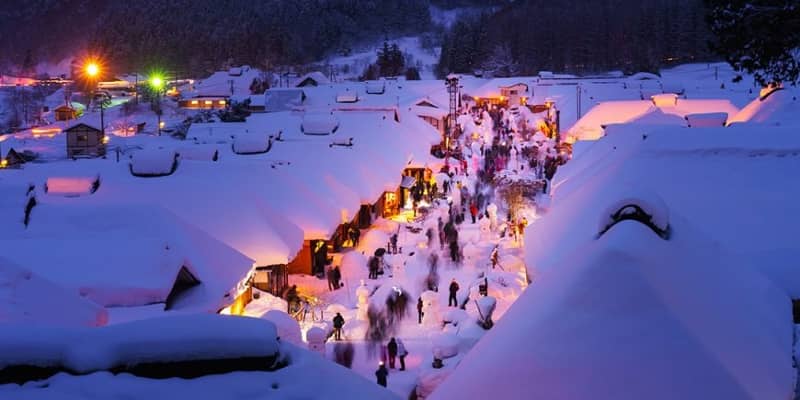
A restored historic post town lined with traditional thatched-roof buildings and ryokan.
Shirakawa-go, Gifu
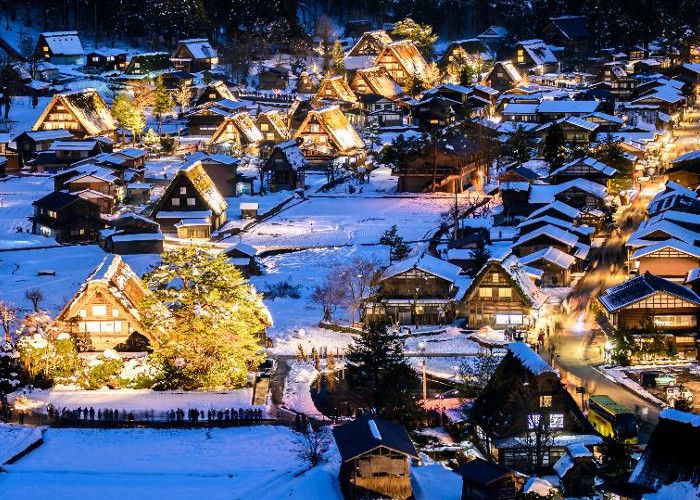
A UNESCO World Heritage Site famous for its traditional gassho-zukuri farmhouses, which are especially striking when covered in snow.
In addition to these snow-laden towns, there are also many world-class ski resorts in Japan where visitors can enjoy a wide range of winter sports.
Ski and winter sports resorts
Some of the best skiing and snowboarding resorts in Japan are concentrated in Hokkaido and Hakuba Valley in the Japanese Alps near Nagano, although excellent ski areas can be found across the country.
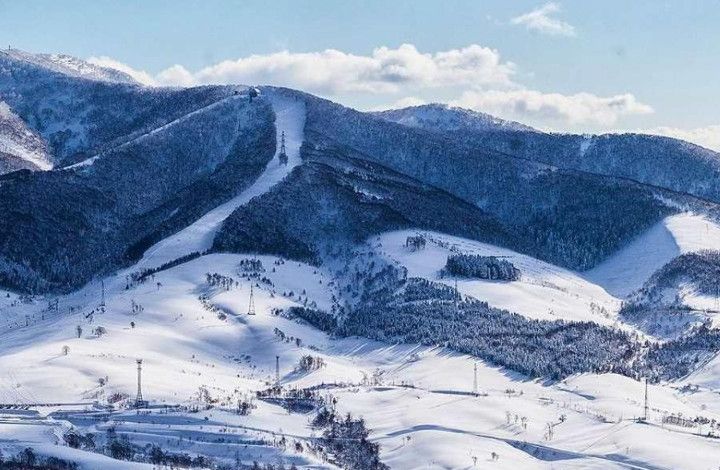
Some of the most popular resorts in Japan include:
- Furano – Known for high-quality powder snow, varied runs, and a more traditional Japanese resort atmosphere
- Happo One Resort – One of Hakuba Valley’s best-known ski areas and a venue used during the 1998 Winter Olympics
- Niseko – Famous for deep powder snow, extensive terrain, nightlife, and night skiing
- Nozawa Onsen – Combines skiing with a historic hot spring village and usually offers a relatively long ski season
- Rusutsu – Known for heavy snowfall, powder conditions, and a wide variety of terrain
- Shiga Kogen – One of Japan’s largest ski areas, with slopes suitable for beginners through to advanced skiers
For more options, see our guide to skiing in Japan and the best ski resorts.
Snow festivals
Japan’s snow season is also celebrated with winter festivals featuring snow sculptures, illuminations, and traditional events across the country.
- Sapporo Snow Festival: One of Japan’s best-known winter events, featuring large-scale snow and ice sculptures across central Sapporo.
- Otaru Snow Light Path: Held in February, this event fills Otaru with candlelight, snow lanterns, and small illuminated sculptures.
- Asahikawa Winter Festival: A major Hokkaido winter event known for large snow sculptures and seasonal entertainment.
- Tokamachi Snow Festival: A long-running snow festival in Niigata Prefecture with snow sculptures and local winter events.
- Yokote Kamakura Festival: A traditional festival in Akita centered on small snow huts known as kamakura.
For more details on one of Japan’s biggest winter events, see our Sapporo Snow Festival guide.
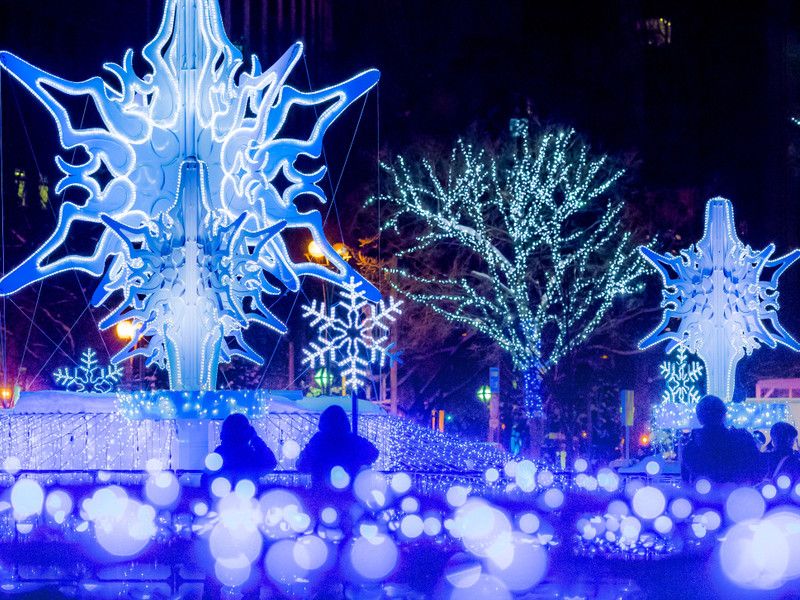
Winter Japanese wonders
Beyond skiing and snow festivals, winter in Japan brings distinctive natural sights and seasonal experiences that are difficult to see at other times of year.
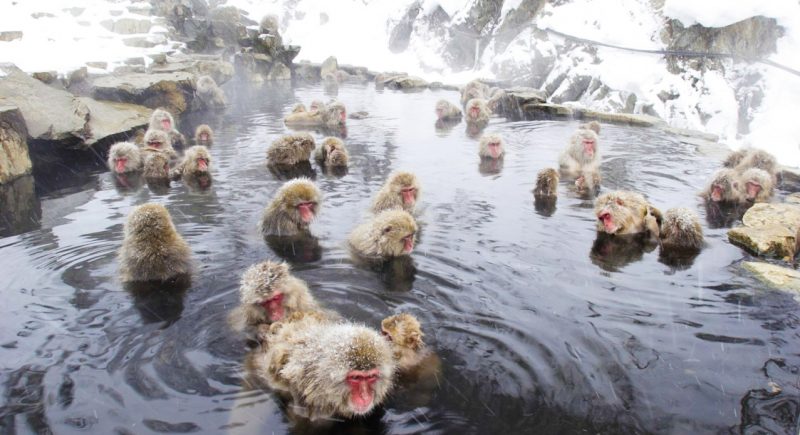
- Snow monkeys at Jigokudani Monkey Park: The Japanese macaques can be seen bathing in hot springs year-round, but the snowy winter setting makes this experience especially memorable.
- Onsen in the snow: Natural hot springs are a popular way to relax after a day outdoors, with many offering views of snow-covered landscapes.
- Zao snow monsters: At Zao Onsen, heavy snow and freezing winds coat the trees in thick layers of ice and snow, creating the famous “snow monsters.”
- Drift ice in Hokkaido: Ryuhyo, or drift ice, can be seen along parts of Hokkaido’s coast during winter, particularly around the Sea of Okhotsk.
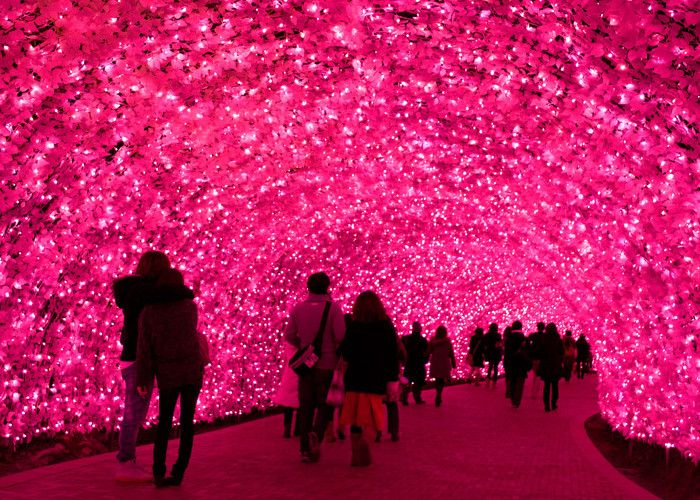
- Winter illuminations: Seasonal light displays are another highlight of winter travel in Japan, with events held across cities and resort areas.
For detailed guidance on winter light festivals and seasonal displays, see our guide to the best winter illuminations in Japan.
So, pack your best thermal wear, reserve your JR Pass, and start planning to hit Japan’s slopes!