Yamagata City and Prefecture travel guide

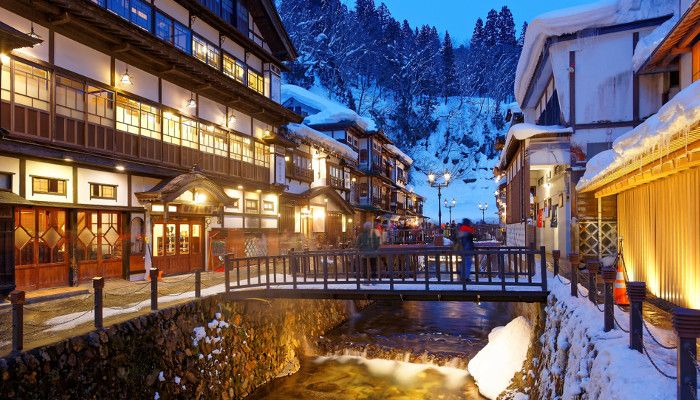
The city of Yamagata, capital of the eponymous Yamagata Prefecture, is one of Japan’s premier winter destinations. Surrounded by snowy mountains and natural beauty, Yamagata city is the perfect base to visit the ski slopes, hot springs, national parks, and historic monuments that fill the region.

Located in the north of Honshu (the largest of the islands that make up Japan), Yamagata forms part of the Tōhoku region. It is known for being a hub of winter sports centered around Mount Zao. It is also home to one of the National Treasures of Japan: the Five-storey Gojuto Pagoda of Mount Haguro.

Continue reading “%s”

Akita City and Prefecture travel guide

Akita prefecture and its capital, Akita City, is located in the Tohoku Region in the north of Japan’s largest island, Honshu. Akita translates to ‘autumn rice paddy’ in Japanese, and accordingly the prefecture is well-known for its extensive rice farming. It is also famous for its sake breweries and for supposedly being the origin of the Akita dog breed.

Continue reading “%s”

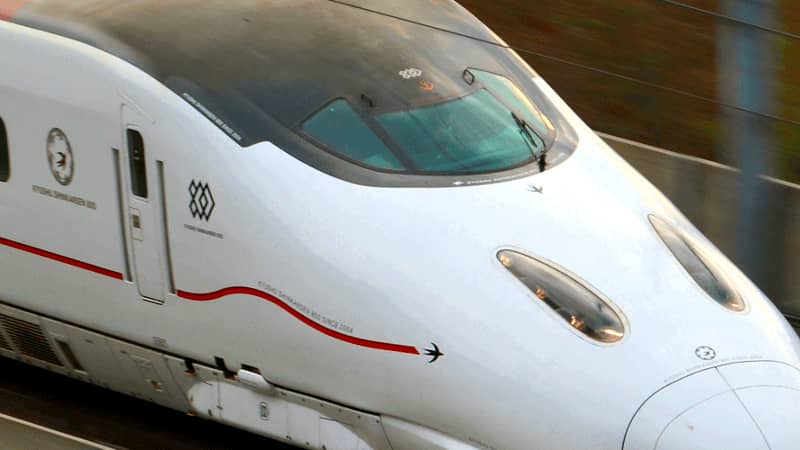
Shinkansen series guide: All Shinkansen train models

Japan’s high-speed Shinkansen services are the fastest and most convenient way to get around the country. There have been a variety of types of bullet train series used on the lines since the first was inaugurated in 1964.

While some of the many types of bullet trains have been retired from use or upgraded to newer models as updated technology was developed, there are still many different trains in operation on each Shinkansen line.

Continue reading “%s”

Shinkansen Safety: Protocols and measures against Covid-19

As more than 400 high-speed trains run across Japan on a busy day, approximately 1 service every 3 minutes, it’s understandable that ensuring Shinkansen safety measures is a major priority for operators.

In addition to a number of safety protocols to guard against accidents and natural disasters such as earthquakes and typhoons, Japan Rail has also implemented a number of measures to protect Shinkansen passengers from the spread of COVID-19 during the global pandemic.

Continue reading “%s”