
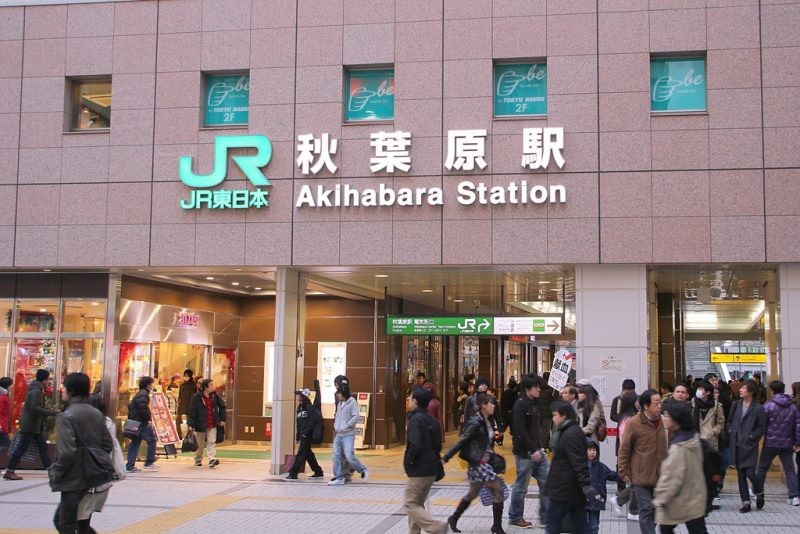
Akihabara Station is located in the Chiyoda ward of Tokyo. The area is known as a lively shopping district, with many stores specializing in electronics and otaku, the diehard anime and manga fandom.
Trains & Transportation
This section of our blog is dedicated to the public transportation in Japan, available for free to all Japan Rail Pass holders.
If you want to learn more about how to locate and take your trains from Tokyo or Kyoto stations; how to arrive in central Tokyo from Narita Airport, by taking the Narita Express (N’EX); how to ride the JR buses in the major cities or take the Miyajima ferry from Hiroshima, this section is for you.
You will also enjoy a number of comprehensive routes on how to arrive from one city to another; where to look for accurate online timetables; where and how to transfer between stations and more.
Shibuya Station Travel Guide
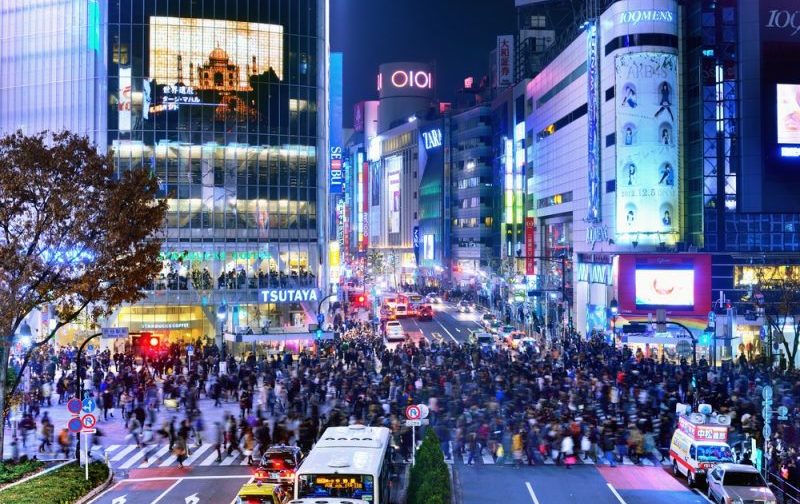
Shibuya is one of Tokyo’s 23 wards, famous for the shopping and entertainment district centered around Shibuya Station. Many of Japan’s fashion trends are born on the streets of Shibuya.
Shibuya is also a station with a long history. Shibuya Station opened in 1885 as a stop along what is now called the Yamanote Line. It was also the afternoon rendezvous of the famous dog Hachiko, now immortalized in bronze statues, film, and print. Continue reading “%s”
Ikebukuro Station Travel Guide

Tokyo’s Ikebukuro Station is one of the busiest train stations in the world, second only to Shinjuku Station. The station has a long history, having opened in 1903. In 1903, around 28,000 passengers used the train station each day. Today, that number is over two million, including local commuter as well as tourist traffic.
Ikebukuro is the main station in the north-west of Tokyo. This shopping and entertainment district boasts unique shops and indoor theme parks, many of which cater to the anime and manga fandom. Use this guide to find your way around Ikebukuro Station.
Shinagawa Station Travel Guide

Shinagawa Station is among the oldest train stations in Japan, having opened its doors in 1872. Interestingly, the station became operational four months prior to the inauguration of the first railway in Japan.
While none of the original structure remains, Shinagawa Station continues to play a role in the rail history of Japan. The introduction of the Shinkansen bullet trains to Shinagawa helped alleviate the congestion of other busy Tokyo stations. In less than a decade, Shinagawa will be among the first stations in the world to host the innovative, gravity-defying maglev train.
Shinjuku Station Travel Guide

Shinjuku is one of the 23 wards of Tokyo, and is home to a large shopping and entertainment district surrounding Shinjuku Station. The station itself is commonly considered the busiest rail station in the world, with more than 3 million passengers gracing its platforms each day.
The station’s long history began when it opened in 1885 on what is now the Yamanote line. Additional lines brought an influx of commuter traffic, making the station into the major transport hub it is today.
Tokyo Station: The Complete Guide for Travelers

Tokyo Station (Tokyo-eki) is much more than just a transit hub; it is a “city within a city” and the beating heart of Japan’s railway network. Located in the prestigious Marunouchi business district near the Imperial Palace, it serves as the zero-mile marker from which all distances in Japan’s rail network are measured.
For JR Pass holders, this is the most important station in the country. It is the primary terminus for most Shinkansen (bullet train) lines connecting Tokyo to the north, west, and south. Whether you are rushing to catch a train to Kyoto or exploring the historic red-brick architecture, understanding the station’s layout is essential.