Matsuri: The 10 best Japanese summer festivals to visit

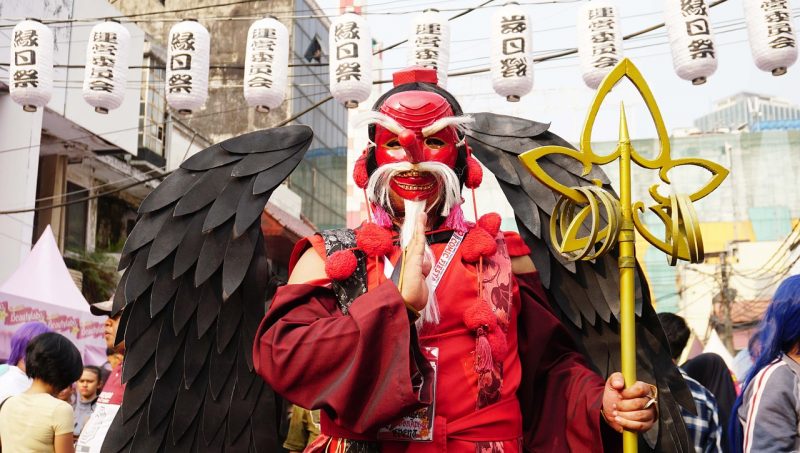
There are countless local festivals (祭り, matsuri) in Japan each year. They are all spectacular, extravagant, and fun but also unique. Each celebration is based around an individual shrine which pays tribute to a different deity or a famous historical event.

The celebrations vary greatly as each has features based upon the specific shrine but hey also have many similarities. Almost all of them involve energetic processions where thousands of people dance, chant, and dress up in special clothes.

Continue reading “%s”

Obon Festival Guide: Meaning, traditions and dates

The Obon festival (お盆, also known as Bon festival) is an annual Japanese holiday that commemorates and remembers deceased ancestors. It is believed that their spirits return at this time to visit their relatives.

Chochin (paper) lanterns are hung to guide the spirits and Obon dances (bon odori) are performed. Families have reunions and visit the graves of their relatives and make food offerings at altars and temples.

Continue reading “%s”

Rainy season in Japan: Dates and what to expect

Japan’s rainy season starts in early summer, between May and July, depending on the region. The period is called Tsuyu (also pronounced baiyu) which translates to “plum rain” as the season coincides with the ripening of Japan’s plums.

The wet weather is caused by cold winds from the north colliding wind warm southern winds which create several weeks of rain. The amount of rainfall varies dramatically from year to year. Some years are exceptionally wet whereas other years barely see any rain.

Continue reading “%s”

World Expo 2025 Guide: See the Future in Osaka

World expos are global gatherings of nations that take place every 5 years with the aim of finding solutions to current challenges. 2025’s event in Osaka, Japan, marked one of the most ambitious expositions to date.

Held, from April to October 2025, it showcased how new ideas can be used to improve our everyday lives. Under the theme, ‘Designing Future Society for Our Lives’, it included concepts based on technology, sustainability, and creativity.

Continue reading “%s”